

The “difficult situation” of press freedom and its consequences for the quality of journalism
The economic indicator of press freedom suffered an unprecedented decline, affecting the work of newsrooms and the journalism they produce.
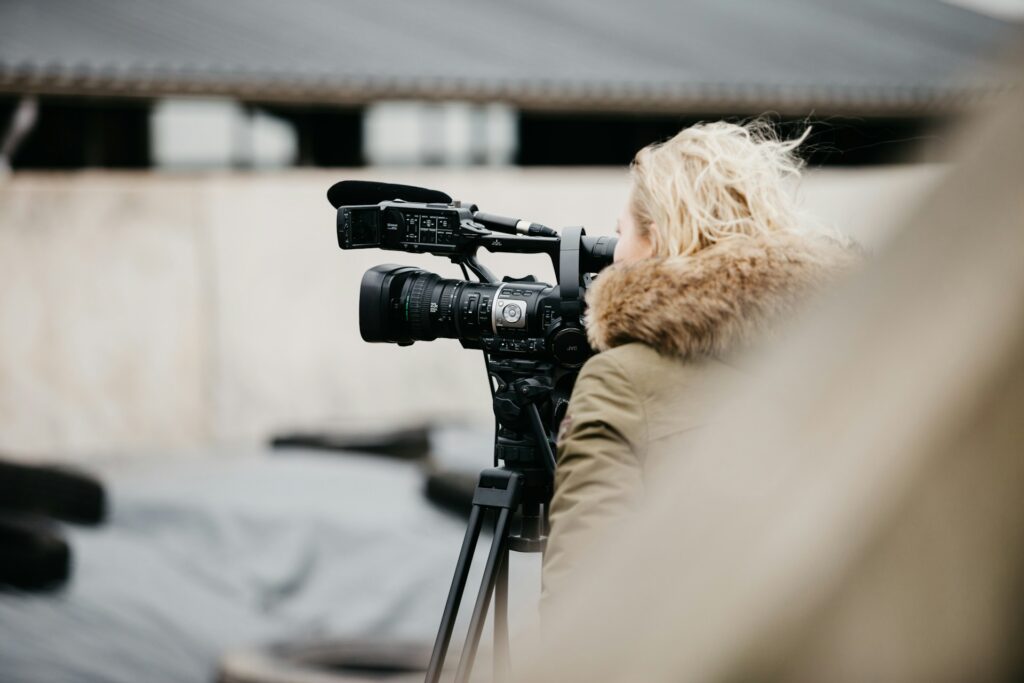
In 2025, press freedom is in a “difficult situation”, according to the World Press Freedom Index published by Reporters Without Borders. For the first time since 2002, when the index was first published, such a classification has been recorded. In addition to physical attacks against journalists, this deterioration is driven by an “unprecedented” decline in the index’s economic indicator. Economic pressures — stemming from media ownership concentration, influence from advertisers and funders, and limited, absent, or opaque public support — have affected newsrooms and journalists, constraining the production of free and independent journalism.
Press freedom and newsroom funding are therefore fundamental dimensions of journalistic information quality. Without freedom, journalists are unable to produce relevant, rigorous, and trustworthy information free from external pressures — that is, information that is relevant and rigorous — and their role as watchdogs of institutions, which is essential to the functioning of democracies, is compromised (for example, Moges, 2024). When press freedom is constrained, key quality criteria such as transparency, diversity of perspectives, and objectivity cannot be guaranteed (Jenkins & Nielsen, 2020).
At the same time, funding is essential to producing high-quality journalism. Only with adequate resources can newsrooms exist and ensure they have a sufficient number of journalists able to carry out activities such as investigative reporting, fieldwork, or fact-checking. These are core criteria for journalistic quality (Barometer for Information Quality, 2025) and require substantially greater investments of time and financial resources than journalism produced solely at the desk. In this regard, Portuguese journalists interviewed by Silva (2023) highlighted that having sufficient time and good working conditions are the two essential factors for producing quality journalism.
Machine Translation Post-Editing: Anabela Delgado
References
Barómetro para a Qualidade da Informação. (2025). Avaliar a qualidade da informação: Referencial teórico-metodológico. CECS.
Jenkins, J., & Nielsen, R. (2020). Proximity, public service, and popularity: A comparative
study of how local journalists view quality news. Journalism Studies, 21(2), 236–253. https://doi.org/10.1080/1461670X.2019.1636704
Moges, M. A. (2024). Freedom of the press, and journalism practices in times of uncertainty in the case of Ethiopia. Journalism Practice. https://doi.org/10.1080/17512786.2024.2410932
Silva, M. S. (2023). “Não tenho as condições”: Como os jornalistas de televisão e rádio avaliam a qualidade do jornalismo em Portugal. Comunicação e Sociedade, 44, e023020. https://doi.org/10.17231/comsoc.44(2023).4737
Photography: Joppe Spaa, on Unsplash